

Silicone Mats
Silicone mats protect your workbench from heat damage, solder drips, and chemical spills — providing a heat-resistant, easy-to-clean work surface that keeps your bench organised and protected through every soldering session.
Showing the single result
-
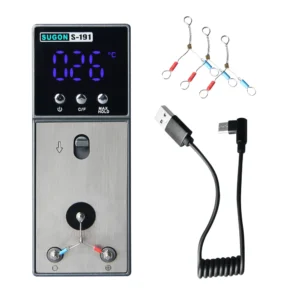
Original price was: £59.00.£44.50Current price is: £44.50.Take control of your soldering accuracy with instant tip temperature...Add to cart
Silicone Mats for Electronics Workbenches, Soldering, and Repair Work
A bare workbench surface is no match for the heat, solder drips, flux spills, and chemical exposure of regular electronics work. Silicone mats provide a dedicated protective layer between your tools and your bench — heat-resistant enough to withstand direct contact with soldering irons, flexible enough to clean easily, and durable enough to last through years of daily use.
From compact desk mats for hobby setups to large format mats for professional repair benches, a silicone mat is one of the simplest and most immediate improvements to any electronics workspace.
Heat Resistance for Direct Iron and Hot Air Contact
Silicone mats withstand temperatures from -60°C to 230°C and above depending on the grade, making them resistant to accidental contact with soldering iron tips, hot air station nozzles, and components fresh from reflow. A rested iron that slips from its stand, a hot nozzle set down momentarily, or a component placed directly from a heated board — none of these events damage a quality silicone mat or release harmful fumes in the way that standard rubber or plastic desk mats would.
This heat resistance is particularly valuable during hot air rework sessions where the nozzle reaches temperatures of 300°C–400°C and components removed from boards are placed immediately onto the work surface. Pair with a soldering iron stand positioned on the mat to contain any heat and solder drips from the tip cleaner within the protected surface area.
Organised Work Surface With Integrated Features
Many silicone mats include integrated features that improve bench organisation alongside basic surface protection. Raised compartment sections hold screws, small components, and hardware in separate zones during disassembly — preventing the mix-ups and losses that happen when small parts roll freely across a flat bench surface.
Measurement grids printed on the mat surface assist with wire cutting, component sizing, and layout planning without reaching for a separate ruler. Some mats include magnetic properties through an embedded steel sheet, holding screws and metal components in position during device teardown and reassembly — particularly useful for phone repair, console disassembly, and any work involving large numbers of small screws with specific position requirements. Combine with component storage for a fully organised bench where every part has a defined place throughout the repair process.
Silicone Mats Versus Anti-Static Mats
Silicone mats and anti-static mats serve different primary functions and work best together rather than as alternatives. A silicone mat provides heat resistance, chemical resistance, and bench protection. An anti-static mat provides ESD protection through a grounded dissipative surface. For a bench handling both heat and sensitive components, layering an anti-static mat beneath the silicone mat — or using a combined ESD-safe silicone mat — provides both forms of protection simultaneously.
For hobbyists working primarily with through-hole components and robust boards where ESD risk is lower, a silicone mat alone covers the most common bench protection needs. For anyone working with sensitive SMD components, bare ICs, and modern semiconductors, adding an anti-static mat alongside the silicone mat completes the protection setup.
Where to Buy Silicone Mats in the United Kingdom?
NeoSoldering stocks silicone mats with fast UK delivery, no hidden import fees, and all prices in British Pounds. Free delivery is available on orders over £50.
Browse our anti-static mats, soldering iron stands, soldering stations, and soldering accessories to build a fully protected and organised electronics bench.
Frequently Asked Questions
What temperature can a silicone mat withstand?
Most quality silicone mats are rated for continuous use up to 230°C and can withstand brief contact with higher temperatures without melting or releasing fumes. This covers accidental contact with soldering iron tips, hot air nozzles, and recently reflowed components. Check the specific temperature rating of the mat before use with very high-temperature tools — some thinner mats have lower ratings than heavy-duty workshop grades.
Is a silicone mat the same as an anti-static mat?
No. A silicone mat provides heat resistance and bench protection but does not offer ESD protection. An anti-static mat provides a grounded dissipative surface that protects sensitive components from electrostatic discharge but is not designed for heat resistance. For a fully protected bench, both types of mat serve different and complementary protective functions.
How do I clean a silicone mat?
Silicone mats clean easily with warm soapy water, isopropyl alcohol, or a dedicated PCB cleaning solution. Flux residue, solder drips, and chemical spills wipe away from the non-stick silicone surface without leaving permanent staining. For stubborn solder splatter, a soft brush with isopropyl alcohol dissolves flux residue before wiping clean. Allow the mat to dry fully before returning it to the bench.
What size silicone mat do I need?
Choose a mat that covers your primary working area with enough margin to contain tool holders, solder dispensers, and the boards you typically work on. A mat that is too small leaves bench areas unprotected and forces you to work at the edge of the protected zone. For a standard hobby bench, a 500mm x 350mm mat covers most setups comfortably. Professional repair benches handling larger boards and multiple tools benefit from larger format mats.
Can I use a silicone mat under a preheating platform?
Yes. Placing a silicone mat under a preheating platform protects the bench surface from the sustained heat output of the platform during extended rework sessions. Ensure the mat’s temperature rating exceeds the bottom-surface temperature of the preheating platform at your typical operating temperature. Most quality silicone mats handle this comfortably within their rated temperature range.
Showing the single result