

Plastic Welding Irons
Plastic welding irons repair cracked, broken, and split plastic components by melting and fusing material directly — giving you a permanent, structural fix that adhesives and fillers cannot match for strength or durability.
Showing the single result
-
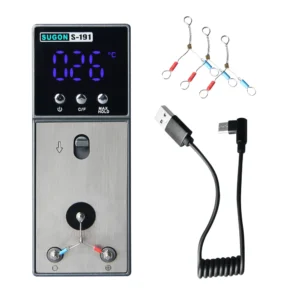
Original price was: £59.00.£44.50Current price is: £44.50.Take control of your soldering accuracy with instant tip temperature...Add to cart
Plastic Welding Irons for Repairs, Fabrication, and Plastic Joining
Broken plastic housings, cracked enclosures, split bumpers, and damaged cases are a common problem across electronics, automotive, and hobby work. Adhesives provide surface-level bonding that fails under stress. Plastic welding fuses the material at a molecular level, creating a repair that is as strong as — and in many cases stronger than — the original part.
A plastic welding iron applies controlled heat directly to the plastic join, melting both surfaces simultaneously and allowing them to flow together into a unified bond. The result is a permanent structural repair rather than a surface fix.
How Plastic Welding Works
Plastic welding irons work by applying a heated tip or nozzle to thermoplastic materials — plastics that soften when heated and re-solidify when cooled. Common weldable plastics include ABS, polyethylene, polypropylene, and PVC, which cover the majority of enclosures, housings, and panels encountered in electronics repair and automotive work.
The iron tip melts both edges of a crack or join simultaneously, and filler rod made from matching plastic material can be added to build up the weld and fill gaps. The molten material flows together, and on cooling forms a continuous bond across the repair area. Unlike solvent adhesives that bond only the surface layer, a plastic weld penetrates the material depth, creating genuine structural integrity.
Applications in Electronics, Automotive, and Hobby Work
In electronics repair, plastic welding irons restore cracked console housings, broken connector tabs, split cable management clips, and damaged enclosures that are no longer available as replacement parts. Repairing a cracked Game Boy shell or a broken laptop hinge bracket with a plastic weld produces a result that survives normal handling — something superglue rarely achieves on stressed plastic joints.
In automotive and hobby work, plastic welding handles bumper repairs, interior trim restoration, motorcycle fairing cracks, and RC car body repairs. The ability to work with polypropylene and polyethylene — plastics that adhesives bond poorly — makes a welding iron the only reliable repair method for many automotive plastic components. Combine with a silicone mat to protect your work surface during repair sessions.
Choosing the Right Temperature for Different Plastics
Different thermoplastic materials require different welding temperatures. ABS welds effectively at 230°C–260°C. Polypropylene requires 250°C–290°C. PVC works at lower temperatures around 200°C–230°C. Using too low a temperature produces a weak surface bond rather than a true weld. Too high a temperature scorches and degrades the plastic, weakening the repair area.
A plastic welding iron with adjustable temperature control lets you dial in the correct heat for the material you are working with. If you are unsure of the plastic type, start at a lower temperature and increase gradually until the material flows cleanly without discolouration or burning. Pair with matching plastic filler rods for the strongest, most consistent welds.
Where to Buy Plastic Welding Irons in the United Kingdom?
NeoSoldering stocks plastic welding irons with fast UK delivery, no hidden import fees, and all prices in British Pounds. Free delivery is available on orders over £50.
Browse our soldering stations, hot air stations, and soldering accessories for a complete repair and rework toolkit.
Frequently Asked Questions
What plastics can be repaired with a plastic welding iron?
Plastic welding irons work with thermoplastics — plastics that soften when heated. Common weldable plastics include ABS, polypropylene, polyethylene, and PVC. These cover the majority of electronics enclosures, automotive panels, and hobby components. Thermoset plastics — those that do not soften when reheated — cannot be welded and require adhesive repair instead.
Is plastic welding stronger than using adhesive?
Yes, for most structural repairs. Adhesives bond at the surface layer, relying on adhesion between the glue and the plastic rather than fusing the plastic itself. A plastic weld fuses material at a molecular level, creating continuity across the repair that withstands stress, flexing, and impact significantly better than surface bonding. For joints that will experience mechanical load, plastic welding is the correct repair method.
Do I need filler rods for plastic welding?
Filler rods are not always required but improve the quality and strength of most welds. For hairline cracks where the two surfaces sit flush, direct fusion without filler can produce a clean, strong repair. For wider gaps, broken sections, or areas that need building up, matching filler rod adds material to the weld pool and produces a fuller, stronger repair. Always use filler rod made from the same plastic type as the parent material.
Can I use a plastic welding iron on electronics enclosures?
Yes. ABS plastic — the most common material for electronics enclosures, console shells, and equipment housings — welds well at 230°C–260°C. A plastic welding iron is the most effective way to repair cracked console housings, broken mounting tabs, and split enclosures that are no longer available as spare parts. Keep the iron away from PCBs, connectors, and electronic components during repair work.
What is the difference between a plastic welding iron and a standard soldering iron?
A standard soldering iron is designed to melt solder alloy at temperatures between 180°C–450°C and is not suited to plastic welding work. A plastic welding iron uses a flat or shaped tip designed to press into and fuse plastic surfaces, with temperature settings calibrated for thermoplastic materials. Some plastic welding irons include interchangeable tips for different joint profiles and filler rod feeding, which standard soldering irons do not support.
Showing the single result