

Fume Extractors
Fume extractors remove harmful solder fumes from your breathing zone before they reach your lungs — essential protection for anyone soldering regularly, whether at a professional bench or a hobby setup at home.
Showing the single result
-
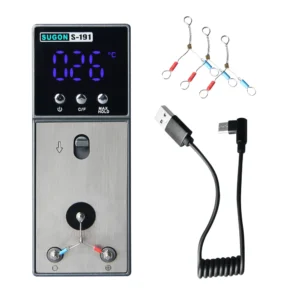
Original price was: £59.00.£44.50Current price is: £44.50.Take control of your soldering accuracy with instant tip temperature...Add to cart
Fume Extractors for Soldering, Rework, and Electronics Assembly
Solder fumes are not just unpleasant — they contain rosin flux particles, volatile organic compounds, and in the case of leaded solder, lead oxide particles that cause cumulative respiratory damage with repeated exposure. A fume extractor positioned correctly at your bench pulls these particles away from your breathing zone before they disperse into the room.
For anyone soldering more than occasionally, a fume extractor is not an optional accessory — it is a fundamental part of a safe working environment alongside a soldering station and anti-static mat.
Filtration That Actually Removes Harmful Particles
The effectiveness of a fume extractor depends entirely on its filtration system, not just its airflow. A unit that moves air without proper filtration simply disperses fumes into the wider room rather than removing them.
Effective benchtop extractors combine a pre-filter for larger particles with an activated carbon filter that absorbs volatile organic compounds and flux fumes. HEPA-grade filtration adds a third layer, capturing fine particulate matter down to 0.3 microns. Replacing filters at the manufacturer’s recommended intervals maintains filtration effectiveness — a clogged filter reduces both airflow and capture efficiency significantly.
Positioning for Maximum Fume Capture
Fume extraction is most effective when the intake is positioned 10cm–15cm from the source of fumes — close enough to capture particles before they rise and disperse, but not so close that airflow disturbs your solder joint or blows components off the board.
A flexible gooseneck or adjustable arm lets you reposition the intake for different tasks — pulled closer during hot air rework where fume production is higher, repositioned for hand soldering on different areas of the bench. For enclosed workspaces or regular long sessions, a fume extractor with higher airflow capacity handles the increased fume volume from hot air stations and desoldering rework stations more effectively than compact hobby units.
Fume Extractors for Home and Professional Bench Use
Compact benchtop fume extractors suit home hobbyists and occasional users who need effective protection without a large footprint. These units sit beside the work area, draw fumes through activated carbon filtration, and return cleaned air to the room — suitable for standard hand soldering and light SMD rework.
For professional repair benches handling higher volumes of soldering, phone repair, and regular hot air rework, a higher-capacity extractor with multi-stage filtration provides better protection during extended sessions. Combine with good natural ventilation for the most effective working environment. Pair with safety glasses and an anti-static mat for a fully protected bench setup.
Where to Buy Fume Extractors in the United Kingdom?
NeoSoldering stocks fume extractors with fast UK delivery, no hidden import fees, and all prices in British Pounds. Free delivery is available on orders over £50.
Browse our soldering stations, hot air stations, and soldering accessories to complete your bench setup safely.
Frequently Asked Questions
Do I really need a fume extractor for hobby soldering?
Yes. Even occasional soldering produces rosin flux fumes and fine particulate matter that irritate the respiratory system with repeated exposure. Lead-free solder produces more fumes than leaded alloys at higher temperatures, and flux activators release volatile compounds regardless of solder type. A fume extractor is the most direct way to protect your health during any regular soldering activity.
What is the difference between a fume extractor and a regular fan?
A regular fan moves fumes away from your face but disperses them into the room, where you and others still breathe them. A fume extractor draws fumes through activated carbon and HEPA filtration that absorbs and captures harmful particles before returning cleaned air to the room. Only a unit with proper filtration actually removes fumes rather than redistributing them.
How often should I replace fume extractor filters?
Filter replacement intervals depend on usage frequency and the type of soldering being done. Most manufacturers recommend replacing activated carbon filters every three to six months under regular use. A visibly discoloured pre-filter or reduced airflow from the unit are practical indicators that filtration capacity is degrading and replacement is overdue.
Can I use a fume extractor for hot air rework as well as hand soldering?
Yes, but hot air rework produces significantly more fumes than hand soldering due to the higher temperatures and larger heated area. Position the extractor intake closer to the work area during rework sessions and ensure your unit has sufficient airflow capacity for the increased fume volume. Higher-capacity extractors handle rework sessions more effectively than compact hobby units designed primarily for hand soldering.
Where should I position my fume extractor on the bench?
Position the intake 10cm–15cm from your typical soldering point, on the opposite side from your body so fumes are drawn away rather than across you. Avoid positioning directly behind the work area where airflow could disturb lightweight SMD components. A flexible gooseneck arm lets you adjust position for different tasks without moving the entire unit.
Showing the single result