

Cordless Soldering Iron
Cordless soldering irons deliver portable precision for electronics work anywhere power outlets aren’t available. Battery-powered or gas-fueled models eliminate cables that snag and tangle, enabling repairs in tight spaces, outdoor projects, and field service calls where traditional soldering stations can’t reach. Perfect for automotive diagnostics, on-site repairs, robotics competitions, and makers who need reliable soldering capability beyond the workbench.
Showing all 3 results
-
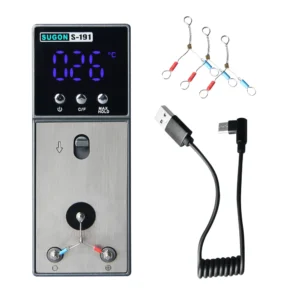
Price range: £34.90 through £44.90Achieve flawless soldering results with the FNIRSI HS-01 Battery Powered...Select options This product has multiple variants. The options may be chosen on the product page
-
Original price was: £59.00.£44.50Current price is: £44.50.Take control of your soldering accuracy with instant tip temperature...Add to cart
-
Original price was: £54.50.£38.50Current price is: £38.50.Take your bench-grade soldering anywhere with USB-C cordless freedom. 60W...Add to cart

Battery-Powered Precision Goes Portable
Modern battery-powered cordless irons use lithium-ion cells that deliver 30-90 minutes of continuous soldering on a single charge. USB-C powered models like the Pinecil run directly from laptop power banks, smartphone chargers, or any USB-PD source providing sufficient wattage. This flexibility means you’re never searching for wall outlets during field repairs or outdoor electronics projects.
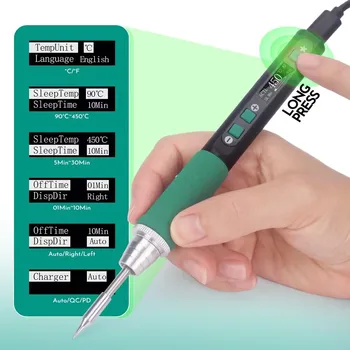
Temperature control in quality cordless irons matches what benchtop soldering stations provide. Digital displays show precise settings from 200-400°C, adjustable in small increments for different solder types and component sensitivities. PID control maintains stable temperatures even as battery voltage drops during discharge, preventing the temperature drift that plagued earlier cordless designs.
Heat-up speed rivals corded stations—quality models reach working temperature in 10-15 seconds from cold start. Quick recovery between joints maintains productivity during extended work sessions. Sleep modes conserve battery by dropping temperature after brief periods of inactivity, then rapidly reheating when you resume work. These intelligent power management features extend runtime significantly compared to constantly maintaining full temperature.
The compact size and balanced weight distribution reduce hand fatigue during extended use. Without heavy cables pulling on the handpiece, you maintain better control and can access awkward angles inside equipment enclosures. Some models weigh under 50 grams without batteries, comparable to holding a pen rather than wielding a tool.
Gas-Powered Irons for Maximum Runtime
Butane-powered cordless irons deliver hours of continuous operation from a single fill of lighter-grade butane. The flame-heated tip reaches soldering temperatures without electrical power, making these tools completely independent of batteries or charging infrastructure. Remote installations, wilderness projects, and locations without reliable electricity all become viable workspaces.
Heat output adjusts through gas flow control rather than electronic regulation. While less precise than digital temperature control, adjustable flame settings allow matching heat to different joint sizes and materials. The instant availability of heat—no waiting for electrical elements to warm up—suits intermittent work patterns where you need quick heat for short durations.
Interchangeable soldering iron tips expand gas iron versatility. Standard chisel and conical tips handle typical electronics work, while hot knife attachments cut plastics and shrink tubing. Some models include hot air accessories that function as miniature heat guns for shrink wrap application and light heat-shrink work.
Safety considerations differ from electric irons. The open flame requires caution near flammable materials and proper ventilation in enclosed spaces. Refilling demands care to prevent butane leaks and spills. Most models include safety locks that prevent accidental ignition during transport or storage.
Power Delivery and Runtime Trade-offs
Battery capacity directly determines working time between charges. Built-in battery irons typically run 20-40 minutes of continuous soldering, sufficient for most portable repair tasks but limiting for extended projects. Models accepting external battery banks leverage larger capacity sources—a 20,000mAh power bank provides several hours of soldering capability.
USB-C Power Delivery (PD) specification matters for consistent performance. Irons requiring 65W input need compatible PD chargers and cables—standard 5V USB supplies don’t provide sufficient power for soldering temperatures. Verify your existing power banks support the required wattage before purchasing USB-C powered irons.
Wattage ratings affect thermal mass handling. Portable irons typically deliver 30-65W compared to 60-100W from benchtop stations. This reduced power limits capability on large ground planes and heavy gauge wire where thermal mass rapidly pulls heat from the tip. Cordless irons excel at typical electronics work—PCB repairs, Arduino projects, keyboard assembly—but struggle with automotive electrical connections and thick metal fabrication better suited to soldering guns.
Spare batteries or gas refills extend field operation time. Technicians doing mobile repairs often carry multiple charged batteries, swapping fresh cells when power depletes. This approach provides unlimited runtime limited only by available batteries. Gas iron users keep spare butane canisters accessible for quick refills during extended work sessions.
When Cordless Makes Sense
Field service technicians repairing electronics at customer sites avoid hauling benchtop stations and searching for outlets. A cordless iron with USB-C charging works anywhere laptops do, pulling power from the same portable battery that charges phones and tablets throughout the workday. The professional appearance—no tangled cables or bulky transformers—improves client perception during on-site service calls.
Automotive and robotics work happens away from workbenches in spaces where cable routing becomes problematic. Soldering wiring harnesses inside vehicle dashboards, repairing robot competition electronics between matches, or diagnosing equipment failures in industrial settings all benefit from cordless flexibility. The ability to rotate freely without cable management improves access and reduces frustration.
Outdoor projects and remote installations demand portable soldering capability. Installing solar panel monitoring systems, repairing outdoor lighting controllers, or assembling electronics for remote sensor networks all happen in locations without convenient power access. Battery or gas-powered irons make these projects practical without running extension cords or operating generators.
Workshop environments with limited bench space appreciate cordless simplicity. Students in shared makerspaces, apartment dwellers working on kitchen tables, or hobbyists operating from small storage areas avoid dedicated power outlets and permanent installations. Store the iron in a drawer, grab it when needed, and work anywhere without infrastructure requirements.
Limitations Compared to Benchtop Stations
Runtime constraints mean cordless irons suit intermittent work better than extended soldering sessions. Building entire PCBs or reflowing dozens of connections depletes batteries quickly, requiring charging breaks that interrupt workflow. For production work or extensive assembly projects, traditional soldering stations provide unlimited runtime and consistent performance.
Lower maximum wattage limits thermal capacity for heavy-duty connections. Large wire splices, grounding terminals, and thick metal fabrication require sustained heat output that drains portable batteries quickly or exceeds their power delivery capability. Keep corded high-wattage irons available for projects demanding thermal mass beyond cordless capability.
Temperature recovery speed suffers during demanding work. When soldering to large copper pours or making multiple rapid joints, portable irons may not recover heat fast enough between connections. The battery or gas supply simply can’t deliver energy at the same rate as mains-powered stations, creating frustration during time-sensitive work.
Accessory ecosystem limitations reduce flexibility. Most cordless irons use proprietary tips rather than standard formats like 900M-T or T12, potentially limiting tip selection and increasing replacement costs. YIHUA and other benchtop stations offer vastly wider accessory choices including hot air handpieces, specialised tips, and integrated tools that cordless designs can’t match.
Frequently Asked Questions
How long does a cordless soldering iron battery last?
Built-in battery irons typically provide 20-40 minutes of continuous soldering at working temperature. Actual runtime varies based on temperature setting, joint frequency, and thermal mass of materials being soldered. Higher temperatures and frequent work on large ground planes drain batteries faster than intermittent work on small components at moderate heat.
USB-C powered irons drawing from external power banks achieve much longer runtime determined by the battery bank capacity and power delivery capability. A 20,000mAh bank supporting 65W PD can power an iron for 3-4 hours of intermittent work. This external battery approach provides the most flexibility since you can swap fresh banks instantly rather than waiting for internal batteries to recharge.
Gas-powered irons run 60-90 minutes per butane fill, depending on flame setting and usage pattern. The constant availability of chemical energy eliminates charging concerns entirely—just refill from standard lighter butane when fuel depletes. For truly remote work without any electrical infrastructure, gas irons provide the longest operational periods.
Can cordless irons replace my benchtop soldering station?
Cordless irons complement rather than replace benchtop soldering stations for most users. They excel at portable repairs, field service, and occasional projects where cable-free operation provides clear advantages. The convenience for mobile work and tight-space access makes them invaluable additions to any electronics toolkit.
However, benchtop stations remain superior for workshop use, extended assembly sessions, and projects requiring maximum thermal capacity. Unlimited runtime, consistent high wattage, wider tip selection, and integrated features like hot air stations make traditional stations more capable for serious electronics work. Temperature stability and recovery speed also favour corded systems during demanding projects.
The ideal setup includes both—a quality benchtop station for primary workspace and a portable iron for field repairs, outdoor projects, and situations where cables cause problems. This combination covers all soldering scenarios without compromising performance where it matters most.
What should I look for when buying a cordless soldering iron?
Prioritise temperature control and power delivery. Digital displays with adjustable settings from 200-400°C handle both lead-free solder and temperature-sensitive components. PID control maintains stable temperature as battery voltage drops. Models accepting standard USB-C PD or replaceable 18650 batteries provide better long-term flexibility than proprietary battery systems.
Tip compatibility matters for long-term value. Irons using standard T12 cartridges or other common formats ensure replacement tips remain available and affordable. Proprietary tip designs limit options and may become unavailable if the manufacturer discontinues the model. Check that multiple tip geometries exist for your intended work—conical for precision, chisel for general use, and specialty profiles for specific tasks.
Consider your actual portability needs. If you primarily need occasional field repairs, a simple USB-C model charging from existing power banks offers maximum convenience. For extended remote work without charging infrastructure, gas-powered irons provide longest runtime. Soldering iron kits including portable irons bundle necessary accessories in one package, often at better value than purchasing separately.
Showing all 3 results